A two-seat aircraft built for more than one mission
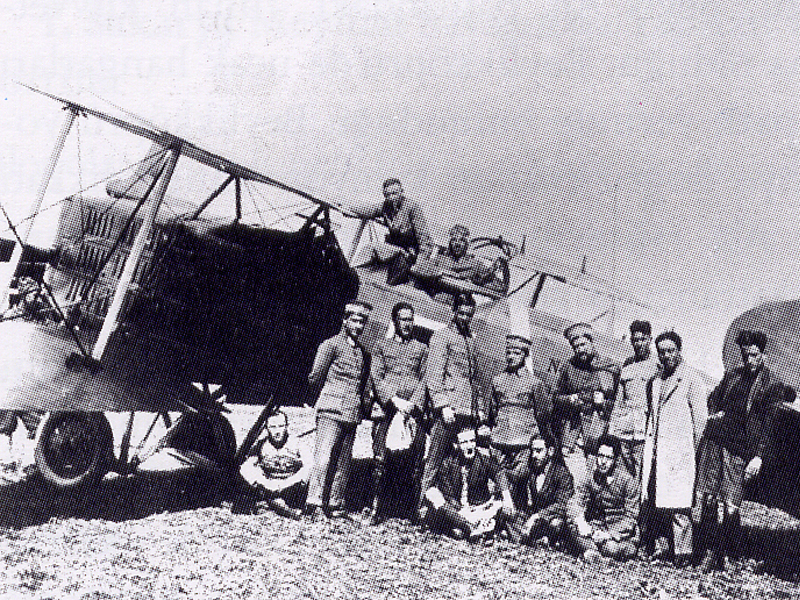
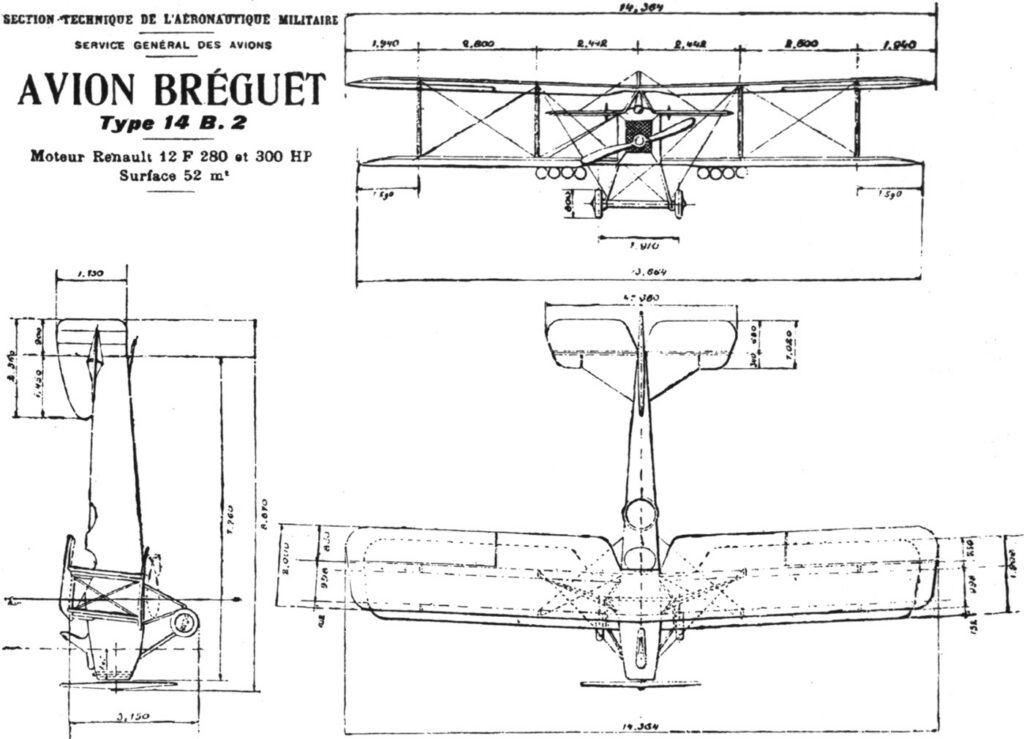
Developed in France during the First World War, the Breguet 14 (also written Breguet XIV) was a two-seat biplane employed in reconnaissance and bombing. The A.2 designation identified a reconnaissance version, while B.2 referred to the bomber. Its robust construction and adaptability made it useful beyond the war in which it was developed. In Turkish military aviation, however, its story began not with a conventional purchase but with an aircraft captured near the front. [1][4]
A forced landing at Sarıköy: “Sakarya”
In September 1921, a Greek-operated Breguet 14 made a forced landing near Sarıköy and was captured by Turkish forces. Named Sakarya after the victory, the aircraft entered service with the 2nd Aircraft Company. At a time when operational aircraft and replacement parts were scarce, each serviceable machine represented a substantial addition. Reconnaissance flights could reveal troop positions, track movements and provide intelligence to commanders on the ground. [1][2][3]
The aircraft’s career was brief. According to the Turkish Ministry of National Defence, Sakarya was lost in aerial combat on 22 July 1922. Its name nevertheless became closely associated with the resourcefulness of Turkish air units during the War of Independence. [1]
Reinforcements for the Great Offensive
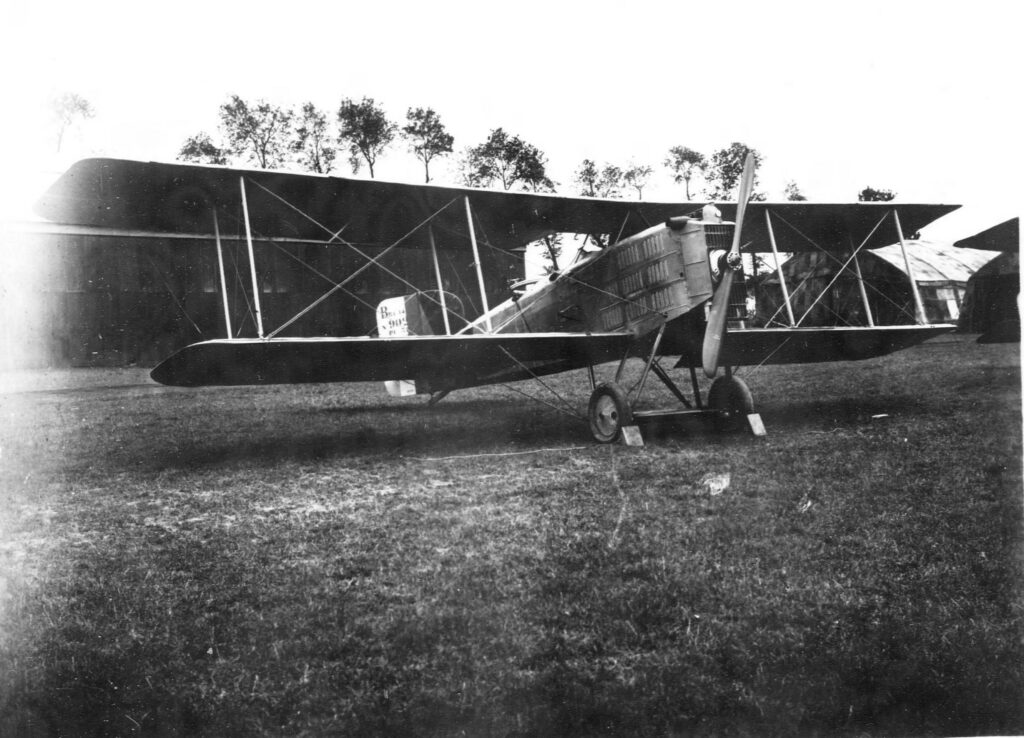
The Breguet 14 became more than a single captured aircraft in 1922. Historical Turkish Air Force records describe ten Breguet 14 B.2 aircraft transferred from French forces in Adana in May 1922. Some were assigned to front-line units and took part in operations around the Great Offensive. Aircraft, trained crews and spare parts were all scarce; the reinforcements therefore mattered far beyond their numbers. [2]
On 26 August 1922, the opening day of the offensive, Captain Fazıl Bey forced a Greek-operated Breguet 14 A.2 to land. Following repairs it joined Turkish service under the name Garipçe. Additional aircraft were captured around Uşak and İzmir as the campaign continued. [1][2]
Service beyond the War of Independence
The type did not disappear with the end of the fighting. New aircraft were acquired during the early Republican period, including an additional batch from France in 1924. The A.2 and B.2 versions remained in Turkish military service until 1928. The Breguet 14 therefore belongs to two distinct chapters of aviation history: the improvised air operations of the War of Independence and the gradual consolidation of an air arm in peacetime. [1][2]
Why it matters
The Turkish Breguet 14 story links three different paths into service: a forced landing that produced Sakarya, an aerial victory that led to Garipçe, and aircraft transferred or purchased for an expanding fleet. Together they illustrate how Turkish military aviation rebuilt operational capacity and moved toward a more organised force. [1][2]