Avro Anson Mk I: a twin-engined trainer in Turkish service
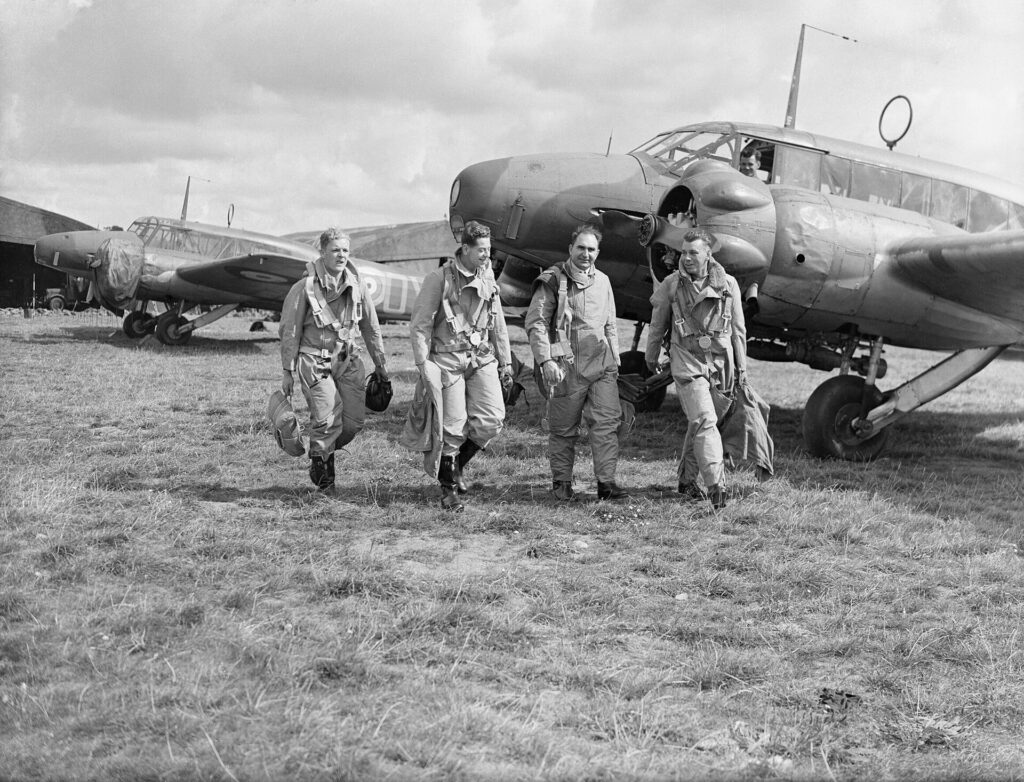
The Avro Anson Mk I served the Turkish air arm during the Second World War as a twin-engined training aircraft. Its contribution was not measured in combat victories. It belonged instead to the less visible infrastructure of air power: the training of bomb aimers, observers, gunners and crews learning to work aboard multi-engine aircraft. Such training was essential to the modernisation of the Turkish flying service, even while the country remained outside direct combat for most of the war. [A1][A2]
From civil airliner to coastal reconnaissance
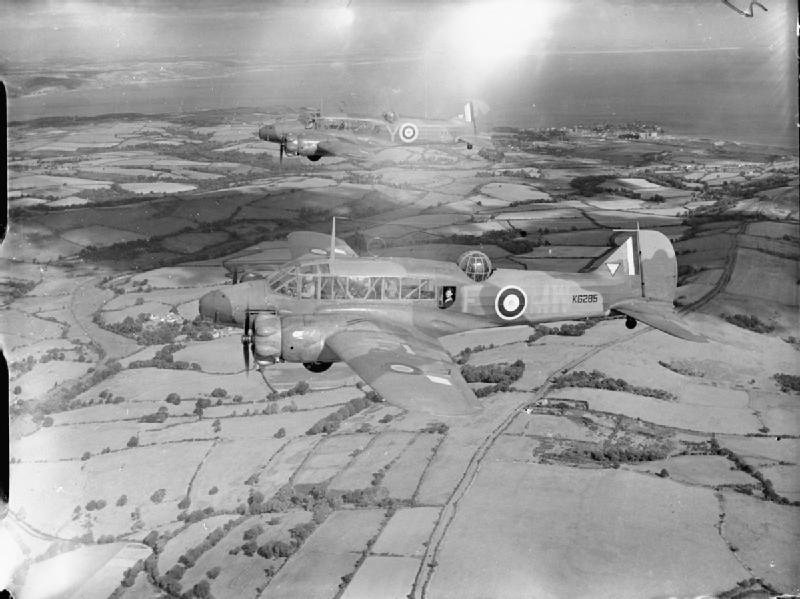
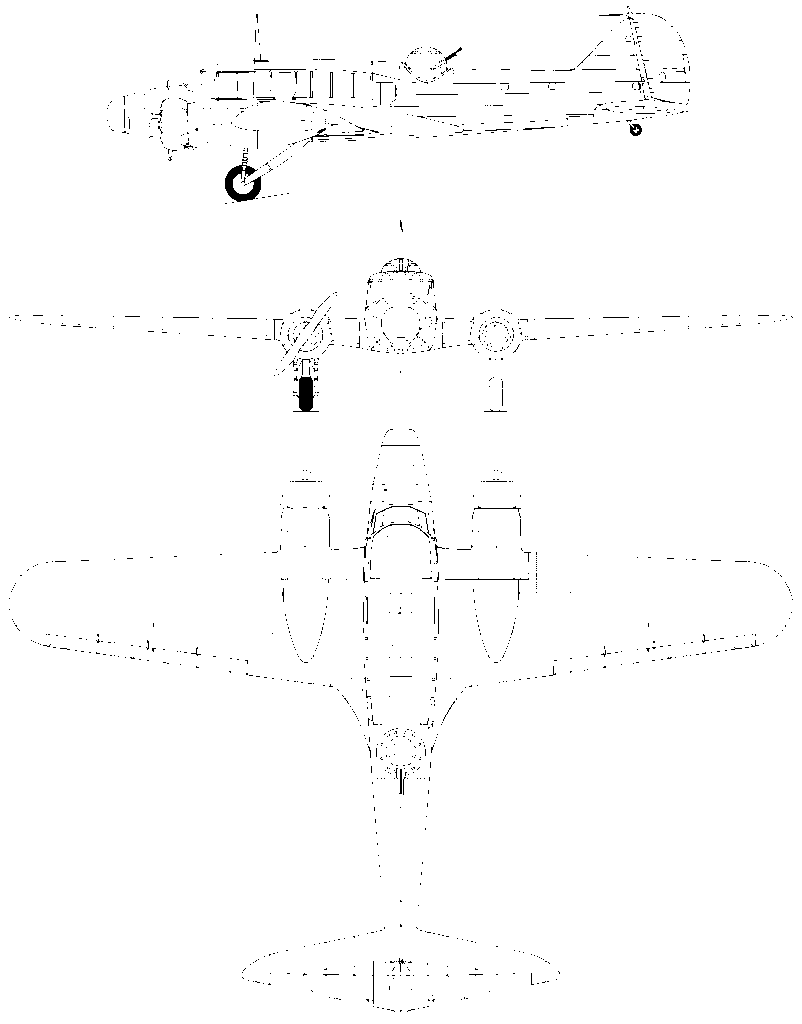
The aircraft grew out of the Avro 652, a small British passenger aeroplane designed in the mid-1930s by A. V. Roe. Developed for military requirements as the Avro 652A Anson, it became a low-wing, twin-engine monoplane whose enclosed cabin and retractable landing gear represented an advance over many earlier training types. The first production Anson flew at the end of 1935, and the type entered RAF service in 1936. [A3][A4]
The Anson’s initial RAF duties involved coastal reconnaissance and maritime patrol. Newer aircraft soon outpaced its performance, however, and Lockheed Hudsons increasingly took over front-line patrol work. What might have been a short operational life became a long and productive second career. The Anson was well suited to instructing multi-engine pilots and the several specialists needed on larger military aircraft. Its layout accommodated navigation, communications, bombing and gunnery training. In Britain and across the Commonwealth it became one of the best-known aircraft of the wartime training system. [A3][A4][A5]
Turkey seeks a twin-engined trainer
By the late 1930s Turkey was examining British aircraft as part of efforts to improve its air force. The Anson attracted attention in 1938 as a possible trainer for bomber crews. A plan to purchase 25 aircraft developed in 1939; a British–Turkish agreement dated 8 January 1940 figured in the procurement process. The outbreak of war in Europe made aircraft deliveries difficult, particularly as Britain had its own urgent requirements. [A1][A2]
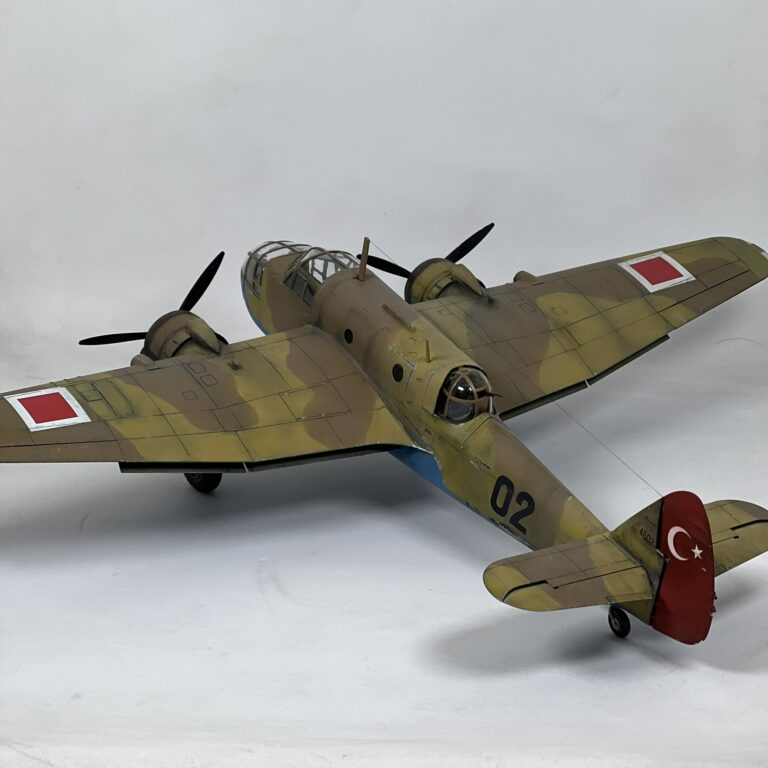
The most securely documented Turkish delivery consisted of six Anson Mk Is in 1940, commonly identified by Turkish numbers 3201–3206. Some inventory lists refer to additional aircraft, but the figure of 25 should not be mistaken for a confirmed total delivered. Keeping planned procurement and verified arrival figures separate is important for reconstructing the Anson’s Turkish career. [A1][A2]
Training at the Air School
The Turkish Ansons replaced de Havilland DH.84 Dragons at the Hava Okulu, the Air School. There, the 3rd Training Company used them for air-gunnery and bomb-aiming instruction. Turkish accounts also associate Ansons with instrument and bombing training at the 1st and 3rd Air Regiments. With two engines and room for specialised aircrew positions, the Anson offered a more relevant training environment than a light primary trainer. [A1][A2]
The arrival of Airspeed Oxfords in 1943 changed the training fleet, but the Ansons continued to be used in bombing instruction. Their wartime Turkish service illustrates a practical aspect of neutrality: the need to keep training, technical routines and aircrew skills progressing despite shortages, procurement difficulties and an uncertain regional environment. [A1][A2]
Retirement and legacy
The Turkish Anson Mk Is were withdrawn in 1946. For a small group of aircraft, their significance was out of proportion to their modest numbers. They provided experience in twin-engine operation, crew coordination and specialist military flying at a time of transition in the air force’s training methods. [A1][A2]
The surviving record also highlights a useful distinction in aviation history: procurement plans tell one story, operational aircraft another. The Avro Anson is best remembered in Turkish service as an aircraft that helped teach the people who would fly and operate more complex machines.