A new aeroplane for a new air arm
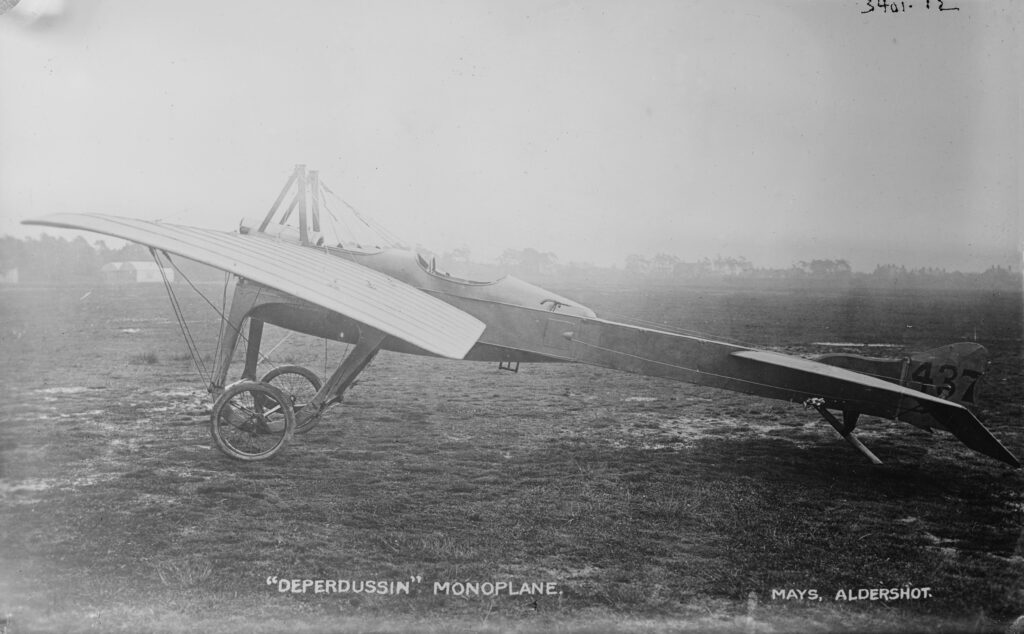
The Ottoman Empire entered the age of military aviation at a remarkable moment: the aeroplane was still an experimental technology, yet armies had already begun to see its potential. A military aviation commission was established in 1911, and the first aeroplanes began to arrive soon afterwards. Among these early acquisitions were French-built Deperdussin monoplanes, machines whose importance to Ottoman history lies less in combat than in the development of military flying itself.
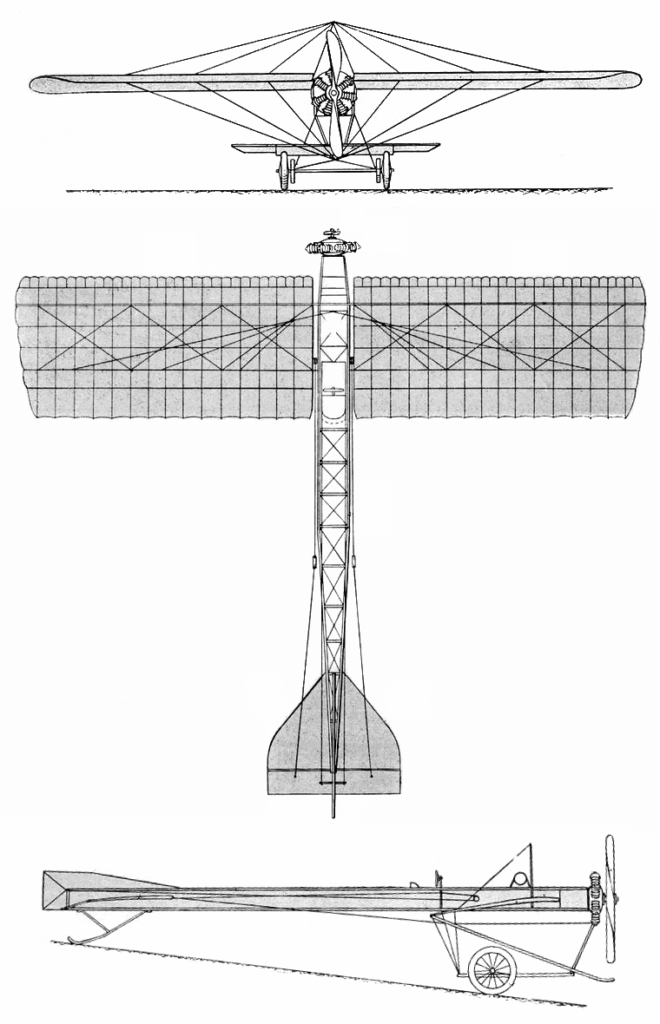
The Deperdussin family belonged to the era before aircraft design had settled into familiar forms. A single wing, exposed bracing wires, lightweight construction and a rotary engine made these aircraft markedly different from the fighters and trainers that would follow. The Ottoman examples included both single-seat machines and a two-seat Deperdussin D.
How a public campaign helped buy the aircraft
The earlier ModofWar archival account records that the Ottoman Council of Ministers approved the purchase on 12 March 1912. The challenge was funding: no adequate appropriation had been provided. War Minister Mahmut Şevket Pasha therefore turned to the Muavenet-i Milliye Cemiyeti, a national aid society, and contributed 30 gold pieces himself. Sultan Mehmed V Reşad and Prince Celaleddin of Egypt are also named among the supporters of the campaign.
According to this account, the funds enabled the purchase of three French aircraft: two single-seaters and one two-seater. Two aircraft carried particularly evocative names, Osmanlı and Prens Celaleddin. The story illustrates the combination of public enthusiasm, military urgency and limited resources that shaped the Ottoman air arm in its formative years.
From reconnaissance ambitions to training flights
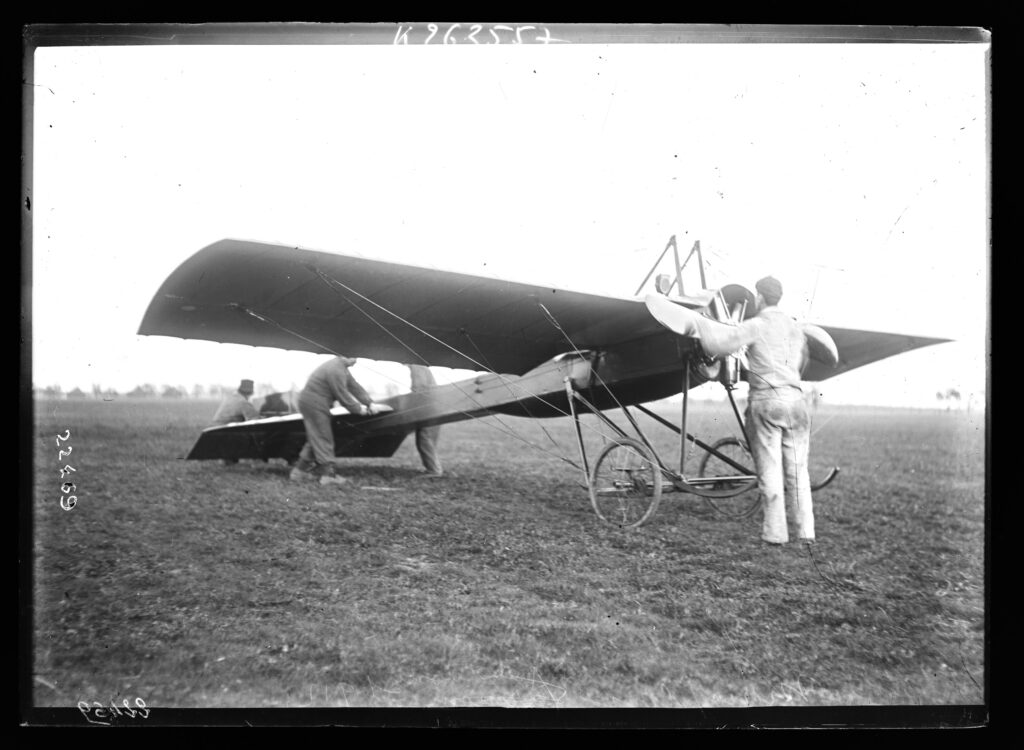
Military planners were interested in both training and aerial reconnaissance. In practice, the available Ottoman account indicates that the Deperdussins were chiefly used for training. Their significance was therefore not a catalogue of confirmed victories or front-line sorties, but the experience they provided with flying, maintaining and operating aeroplanes in military service.
That distinction matters. An early military acquisition should not automatically be described as a combat-proven fighter. The Deperdussin was part of the transition from demonstration flights to an organised air service, at a time when pilots, ground crews and procedures were still being developed.
Prens Celaleddin and the Istanbul–Cairo flight
One of the aircraft, Prens Celaleddin, became associated with the ambitious Istanbul–Cairo flight of 1914. During the expedition, aviator Nuri Bey was killed when his aircraft crashed near Jaffa in March 1914. The episode remains one of the tragedies of Ottoman aviation’s pioneering years.
The Deperdussins’ service was brief. The existing historical inventory places their withdrawal in 1914, only about two years after acquisition. Their historical legacy is nevertheless substantial: they stand among the aircraft through which Ottoman military aviation learned to fly.


An aircraft worth remembering
The Deperdussin’s wooden and wire-braced construction may look fragile today, but that apparent simplicity is precisely what makes the type historically interesting. It reminds us that the institutions, training methods and technical knowledge of an air arm had to be built before that air arm could become an effective force. For the Ottoman Empire, the Deperdussin was one small but telling step in that process.