Bristol Beaufort: a torpedo bomber in Turkish service
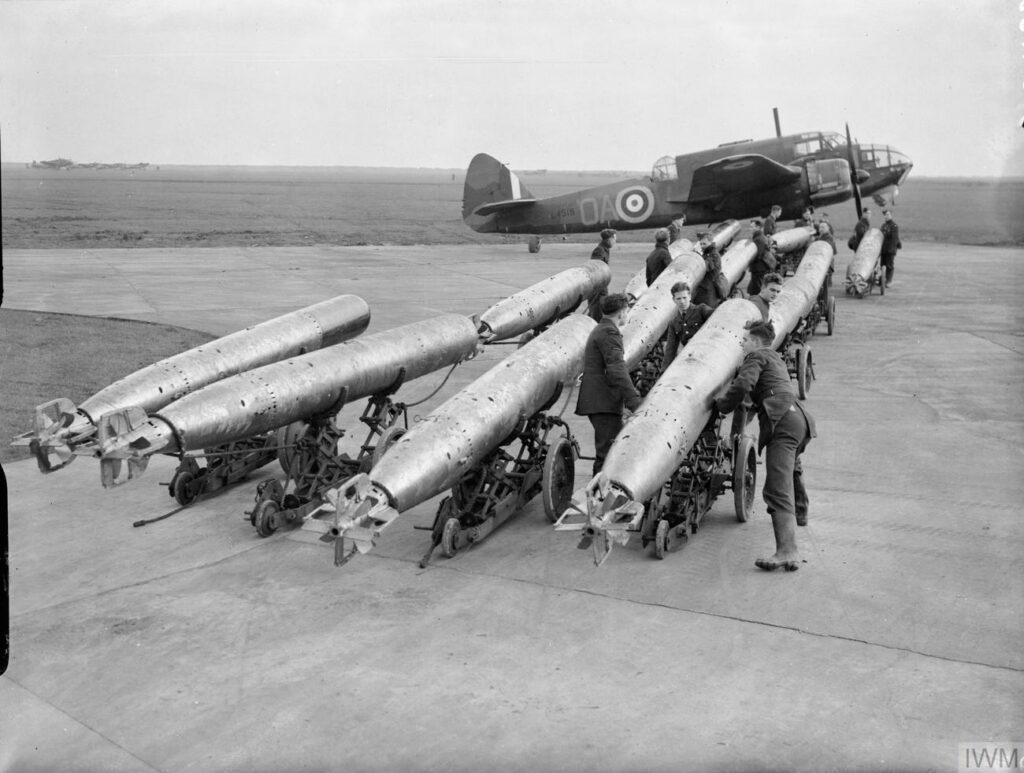
The Bristol Beaufort was a British twin-engined torpedo bomber, developed for maritime operations with a four-person crew. Beauforts entered Turkish service in 1944, where they are associated with the 105th Torpedo Group and efforts to improve the air arm’s ability to attack ships. Their Turkish career was relatively short, but it formed part of the wartime development of more specialised air operations over the sea. [B1][B2]
A maritime aircraft developed from the Blenheim
Bristol developed the Type 152 Beaufort from the earlier Blenheim design. The new machine was not simply a re-labelled bomber. Its four-person crew, torpedo-carrying equipment and arrangements for maritime reconnaissance reflected a distinct operational requirement. The prototype first flew on 15 October 1938. By late 1939, Beauforts were beginning to enter RAF Coastal Command service. [B2][B3]
In the Second World War the Beaufort undertook torpedo attacks, bombing and naval mine-laying missions. It served around British coastal waters, the North Sea and the Atlantic; units were later transferred to the Mediterranean and Indian Ocean as priorities changed. A low-level torpedo attack required an aircraft to fly a vulnerable path towards defended shipping. The danger came not merely from the aircraft’s performance, but from the demands of the mission itself. [B2]
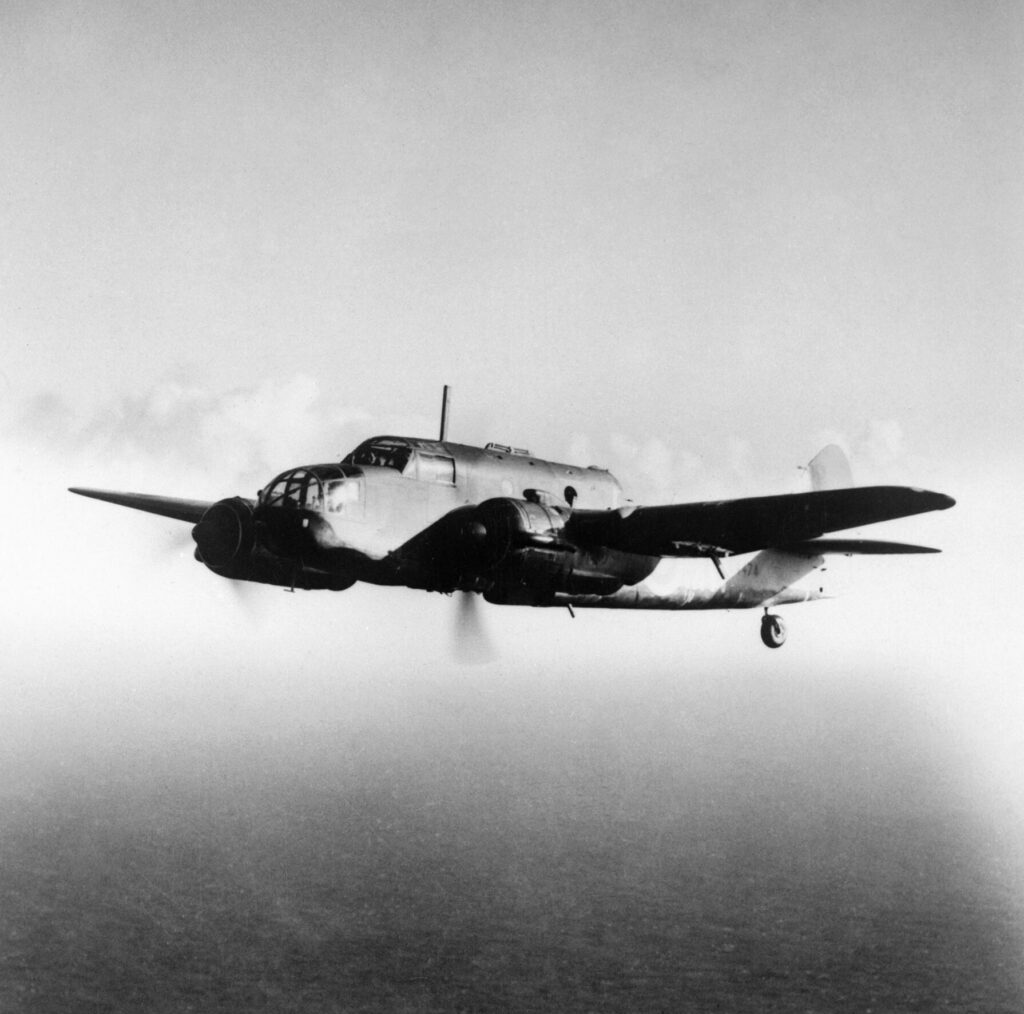
The aircraft’s history also involved different engines and variants. Early Bristol Taurus-powered versions encountered reliability difficulties, while later aircraft included types fitted with Pratt & Whitney Twin Wasp engines. Consequently the labels Mk I, IA, II and IIA cannot be treated as interchangeable specifications. Without matching each Turkish service serial to a securely identified variant, one should not assign all Turkish Beauforts the same engine and performance values. [B2][B4]
Turkish deliveries and the 105th Torpedo Group
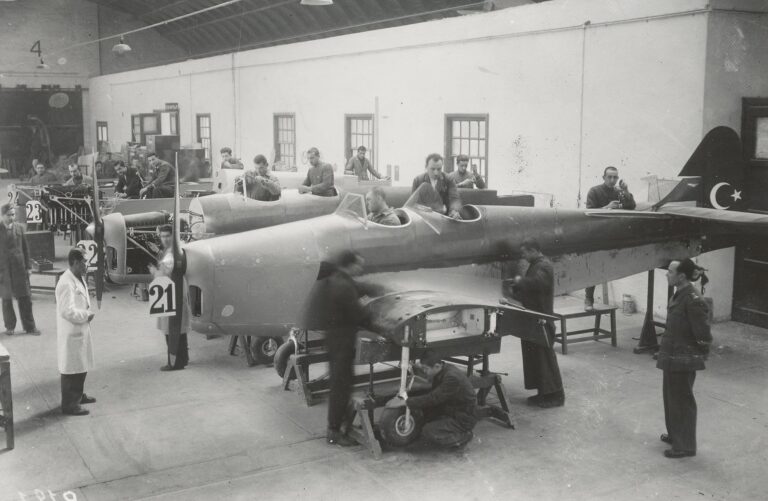
Turkish aviation histories describe a British undertaking to supply Beauforts after the existing Blenheim Mk V fleet proved unsuitable for its intended maritime duties. A Turkish serial register reproduced by Tayyareci refers to a 32-aircraft undertaking, Beauforts brought from RAF Middle East in Egypt in March 1944, and their assignment to the 105th Torpedo Group. [B1]
Delivery totals require careful treatment. A serial list covering 4601–4632 appears in one Turkish source, while summaries based on British publications commonly identify 24 aircraft delivered in two groups. The number promised, the number allocated serials and the number delivered are not automatically equivalent. This Dossier therefore records the conflicting evidence rather than promoting one total to an established fact. It is clear, however, that Beaufort service with Turkish maritime aviation began in 1944. [B1][B4]
Retirement and transition to the Beaufighter
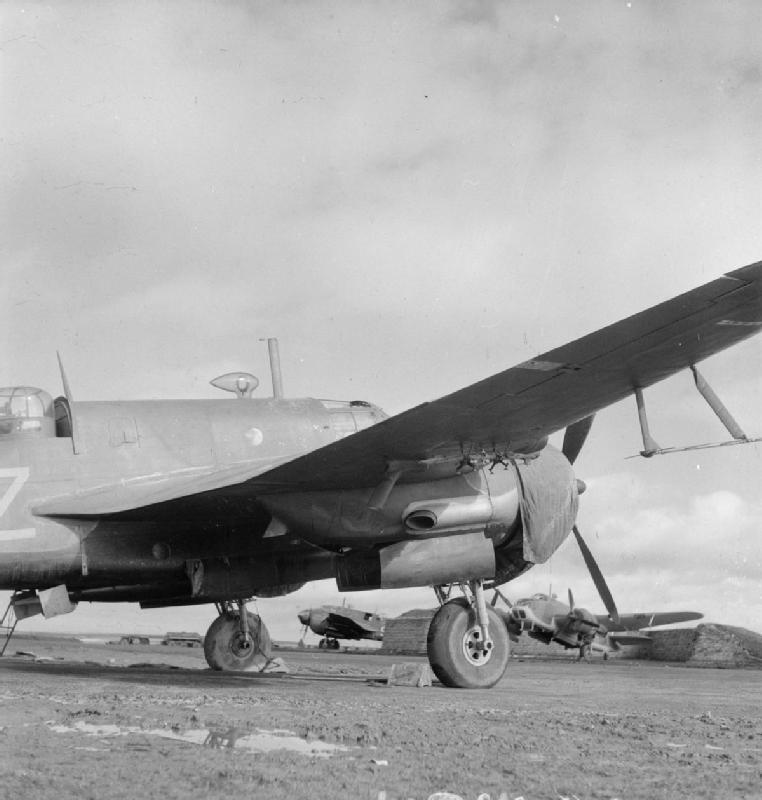
Turkish aviation accounts commonly place replacement by Bristol Beaufighters in 1947. Some English-language operator lists extend Beaufort service to 1950. Those dates may reflect the difference between replacement in an operational unit and final withdrawal from inventory, but the accessible sources do not establish that explanation beyond doubt. The safest narrative is to describe a Beaufort-to-Beaufighter transition from the later 1940s and to disclose the contradictory retirement dates. [B1][B4]
Why the Beaufort matters
The Beaufort’s place in Turkish aviation history lies in the effort to equip an air arm for coastal and torpedo warfare during a world war. Even without treating the Turkish Beaufort as a record-setting aircraft, its story reveals how equipment transfers, technical conversion and changing operational requirements shaped a specialised branch of aviation. It also provides the historical context for the separately documented ICM scale model depicting a Turkish-marked aircraft numbered 02. [B1][B2]