September 2018: Back at the modelling bench
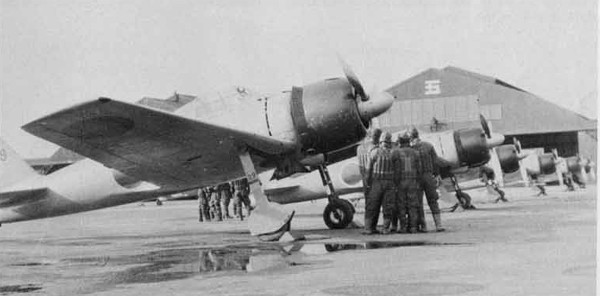
September 2018. When I returned to scale modelling after many years away, the first kit on my bench was Tamiya’s 1/48 Mitsubishi A6M3 Model 32 Zero “Hamp”. That gives this model a place in my collection beyond its subject: it marks the point when I began building again.
I did not approach this first project as an exercise in doing everything perfectly. I was happy to experiment. This was also my first time using AK Interactive Chipping Fluid Medium. Looking back, what matters most is that I had started making models again. This Zero became an early point of reference for the many aircraft and vehicles that followed in my collection and on ModofWar.
The kit: Tamiya 61025
Tamiya’s 1/48 kit 61025 is an older, comparatively straightforward tooling, originally dating from 1982. It does not have the elaborate breakdown of some modern aircraft kits, but it captures the Model 32’s distinctive clipped wings and basic structure well. [1]
One of the limitations I noticed during the build was the instrument panel: the dial detail is supplied as a decal rather than as richly moulded relief. That is part of why the cockpit photographs matter. They record the instrument panel, interior and controls of the first model I made after my break.
According to Tamiya, the box includes options for an open or closed canopy and cowl flaps, deployed or retracted undercarriage, seven figures including the pilot, and four marking choices. These are features of the kit, not a claim that I used every optional part or figure on this build. [1]
Tainan Air Group markings
For the finished aircraft, I chose the Tainan Air Group marking option. The original finished-model photographs show the result. The Model 32’s operational story began in 1942, but it would be misleading to treat one set of kit markings as representative of every Model 32 built or flown during the war.
Paint notes
The model was completed in 2018. I can confirm that I used AK Interactive Chipping Fluid Medium for the first time on this build, but the exact camouflage paint jars and product numbers are not preserved in my build notes. Tamiya’s catalogue lists suggested colours; that does not establish which bottles I actually used. The paint and colour reference table therefore separates the historical appearance, the manufacturer’s guide and my documented build. [1]
Personal build note: In addition to marking my return to modelling, this Zero was my first experiment with AK Interactive Chipping Fluid Medium. The exact areas treated, paint layers and application method were not recorded, so I am not presenting a reconstructed tutorial as my original process.
Cockpit and finished model
The original photographs record both the early assembly and the completed aircraft.
Cockpit


Finished model


For me, this was more than a completed aircraft model. It was the beginning of a return to a hobby that would eventually produce the rest of this archive.
The aircraft behind the model
Why did Mitsubishi clip the wingtips? What did the Sakae 21 improve—and what range was sacrificed? Why did Allied intelligence call this Zero “Hamp”? Those questions are addressed in the separate historical article.

Leave a Reply